
A deposition is sworn testimony, but it is not a free-for-all. Under California Code of Civil Procedure § 2025.460, your attorney has the right to object to questions that are vague, harassing, or invade your privacy. More importantly, we enforce your Attorney-Client Privilege. If the insurance lawyer tries to ask what you and I discussed in private, I will instruct you not to answer. We act as a physical shield in the room, ensuring the questioning remains fair and relevant to the accident.
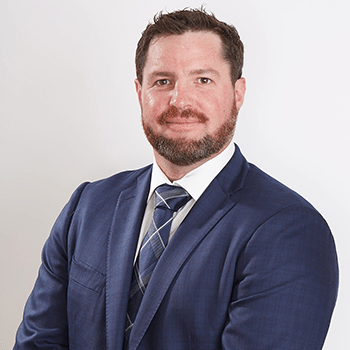
Litigation Phase: Deposition Preparation & Defense — What San Diego Clients Must Do Under California Law
The single most important rule for a deposition is this: do not “wing it.” Under California Law, deposition testimony becomes evidence, and in San Diego Superior Court cases the defense uses it to attack credibility, causation, and damages in ways that directly control settlement value.
- Your testimony is a record, not a conversation.
- The defense strategy is predictable: lock your timeline, force contradictions, then price the claim down.
What Deposition Defense Looks Like in the Real San Diego Courtroom Ecosystem
I’ve trained with and worked around insurance defense professionals long enough to tell you exactly how they view your deposition: it’s the most cost-effective way to cut your case in half. They don’t need to “prove you’re lying.” They just need to create enough ambiguity to argue the injury isn’t from the crash, the treatment isn’t reasonable, or your limitations aren’t credible.
Here’s a realistic San Diego scenario: a client is injured in a rear-end on the 5 near Downtown, treats consistently for a month, then has a gap because work and childcare collide. The defense lawyer shows up with prior records, questions the gap, and tries to frame the later flare-up as unrelated. In San Diego Superior Court, that testimony becomes the script for motions, mediation, and trial themes. Under California Law, depositions are discovery with rules, and the defense uses those rules to control the narrative unless you prepare the record deliberately.
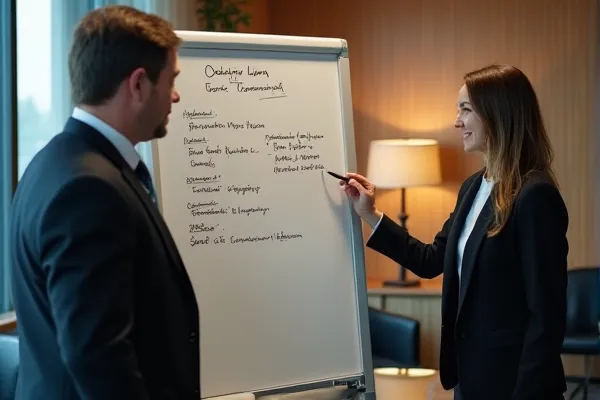
Good deposition defense is not about memorizing answers. It’s about knowing your records, understanding the question, and resisting the defense’s built-in traps: speed, assumptions, and false choices. I treat every deposition like it’s being replayed to an insurer and, later, to a San Diego jury.
- Procedure matters: Code of Civil Procedure section 2025.010 authorizes depositions and frames the process as formal discovery.
- Objections matter: Code of Civil Procedure section 2025.460 controls waiver rules and protects you from losing objections by silence.
Why California Law and San Diego Superior Court Venue Change Deposition Leverage
Depositions don’t exist in a vacuum. They exist inside a San Diego Superior Court case schedule, where testimony drives settlement posture and trial risk. California Law controls what can be asked, how objections work, and what happens if someone abuses the process. Venue matters because defense counsel knows local habits: when they can bully, when they can stall, and when a judge will actually enforce discovery boundaries.
- California Law sets the admissibility and discovery framework that makes your words consequential.
- San Diego Superior Court is where deposition disputes become motions and sanctions, not just arguments.
The “Immediate 5” Deposition Questions San Diego Clients Ask
1) What is a deposition in California, and why does it matter more than the adjuster calls?
A deposition is sworn testimony taken under the rules of civil discovery, and it becomes a usable record for motions, settlement evaluation, and trial. Code of Civil Procedure section 2025.010 authorizes depositions, and the testimony is taken under oath with a court reporter creating the transcript. Adjuster calls are informal; deposition testimony is evidence that insurers price into risk because it can be read to a jury or used to impeach you later.
- Anything you say can be compared against your medical records and prior statements.
- Small inconsistencies become “credibility issues” the defense uses to discount the claim.
2) How does the defense lawyer try to trap me, and what should I do in the moment?
The defense uses three primary tools: speed, assumptions, and binary questions that don’t match real life. They will load questions with facts you didn’t agree to, or ask “yes/no” questions that require context and then act offended when you explain. California Evidence Code section 780 allows credibility to be evaluated using consistency and plausibility, which is why they hunt contradictions; your job is to listen carefully, answer only what is asked, and refuse to adopt assumptions that aren’t true.
- If a question is unclear, say it’s unclear and ask for clarification before answering.
- If the premise is wrong, correct the premise briefly and then answer the actual question.
- If you don’t know, don’t guess; guessing creates contradictions the transcript will preserve.
3) Can I bring notes, and what should I review before my San Diego deposition?
Preparation is about alignment: your recollection must match your documented record where it should, and where it doesn’t, you need to understand why. Under Code of Civil Procedure section 2030.010, your interrogatory answers are sworn discovery, and the defense will compare deposition testimony to those written responses. You should review the collision timeline, treatment chronology, work loss information, and any prior injury history that the defense will try to reframe as “the real cause.”
- Review your medical records for dates, providers, diagnoses, and the course of complaints.
- Review photos, repair documentation, and any statements already given to insurers.
- Review prior claims or injuries so you can describe them accurately without minimizing or exaggerating.
4) What happens if the defense asks inappropriate questions or tries to bully me?
Your attorney can object and instruct you not to answer in limited circumstances, and waiver rules matter. Code of Civil Procedure section 2025.460 addresses objections and when they must be made to avoid waiver, which is why you want counsel present and actively managing the record. If the defense crosses lines—harassment, badgering, or improper topics—the remedy is often a motion for protective order or sanctions, and the transcript is the evidence the court uses to evaluate misconduct.
- Stay calm; your demeanor is part of the record and influences perceived credibility.
- Do not argue with the defense lawyer; let your counsel make the record through objections.
- Answer only what is required; volunteering invites follow-up and misinterpretation.
5) How does deposition performance change settlement value in a San Diego case?
Insurers adjust valuation after depositions because testimony reveals trial risk: your credibility, clarity, and consistency with medical records. A clean deposition reduces the defense’s ability to argue “jury distrust,” “pre-existing,” or “exaggeration,” which is where discounts come from. Code of Civil Procedure section 998 becomes more powerful after deposition because both sides can assess the likely trial result more realistically, and a well-timed offer can attach real cost risk to an unreasonable defense position.
- Strong testimony closes the gap between “paper damages” and credible human impact.
- Weak testimony gives the defense a script to justify lower numbers at mediation or trial.
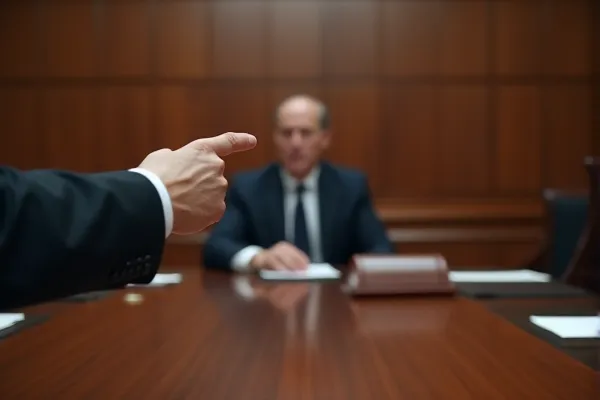
What Actually Wins Depositions in San Diego: The Evidence, The Timeline, The Record
A) Evidence Evaluation in San Diego Cases
Depositions are not just about what you remember; they’re about whether your testimony fits the objective record. Police reports can anchor impact mechanics, but medical records anchor injury, causation, and treatment reasonableness. Photos matter when they support the force and direction of impact, and repair documentation matters when it confirms collision dynamics and refutes “minor impact” narratives.
- Police reports vs medical records: reports frame the crash; records prove the injury story.
- Scene photos vs repair documentation: photos show damage context; repairs support mechanics and force.
- Treatment consistency: gaps are leverage points unless they’re explained and documented.
B) Settlement vs Litigation Reality
Once filed in San Diego Superior Court, discovery is the battlefield and depositions are a major engagement. The defense uses transcripts to support motions, shape mediation briefs, and build trial themes. Under California Law, a disciplined deposition record plus a strategic Code of Civil Procedure section 998 offer can shift the cost-risk equation and move an insurer off a discount position.
- Depositions reveal whether the plaintiff is trial-ready or settlement-vulnerable.
- Defense leverage collapses when the testimony is clean and matches the documentation.
C) San Diego-Specific Claim Wrinkles
San Diego cases often involve traffic density, chain reactions, and disputed sequencing, which defense counsel uses to argue comparative fault or “minimal force.” They also use the local reality of long commutes and delayed care to frame treatment gaps as lack of injury. The way you document the crash mechanics and keep your treatment narrative consistent is what prevents those regional patterns from becoming a defense script.
- Multi-vehicle collisions: expect questions designed to pin you to a specific sequence you may not have witnessed.
- Insurer patterns: “pre-existing,” “gap in treatment,” and “minor impact” are the standard Southern California triad.
Lived Experiences
Mariah
I thought I had to answer instantly, and the defense lawyer kept rushing me. My attorney told me it was okay to slow down, listen, and correct wrong assumptions, and the transcript ended up reading clean instead of chaotic.
Scott
The defense tried to make my old shoulder issue sound like the real cause of everything, but my attorney had my records organized and my timeline clear. After my deposition, the insurance company stopped pushing the same discount arguments and the settlement talks got more serious.
California Statutory Framework & Legal Authority
Every statute cited on this page is linked below to the official California Legislature site exactly as required.
|
Attorney Advertising, Legal Disclosure & Authorship
ATTORNEY ADVERTISING.
This content is provided for general informational and educational purposes only and does not constitute legal advice.
Under the California Rules of Professional Conduct and applicable State Bar of California advertising regulations,
this material may be considered attorney advertising.
Viewing or reading this content does not create an attorney-client relationship.
Laws and procedures governing personal injury claims vary by jurisdiction and may change over time.
You should consult a qualified California personal injury attorney regarding your specific situation before taking any legal action.
Responsible Attorney:
Richard Morse, California Attorney (Bar No. 289241).
Morse Injury Law is a practice name and location used by Richard Peter Morse III, a California-licensed attorney.
About the Author & Legal Review Process
This article was prepared by the legal editorial team supporting Richard Peter Morse III,
with the goal of explaining California personal injury law and claims procedures in clear, accurate, and practical terms for injured individuals in San Diego and surrounding communities.
Legal Review:
This content was reviewed and approved by Richard Morse, a California-licensed attorney (Bar No. 289241),
who concentrates his practice on personal injury litigation and insurance claim disputes.
With more than 13 years of experience representing injury victims throughout California,
Mr. Morse focuses on serious personal injury matters including motor vehicle collisions, uninsured and underinsured motorist claims,
premises liability, catastrophic injury, and wrongful death.
His practice emphasizes claims evaluation, insurance carrier accountability, and litigation in California courts when fair resolution cannot be achieved.
|