
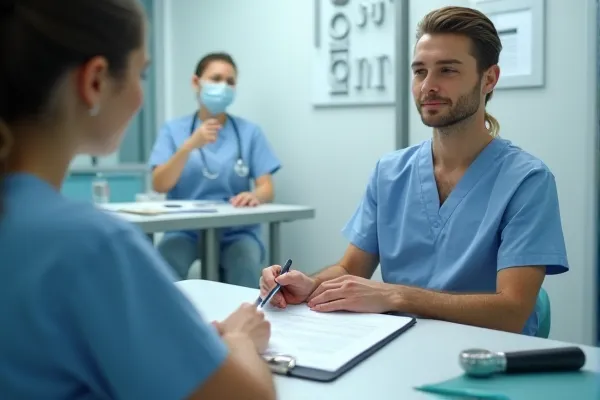
The insurance doctor is not your friend. They are paid to find that you are “healed.” However, under California Code of Civil Procedure § 2032.510, you do not have to go in alone. We hire a Registered Nurse Observer to accompany you. This nurse records the entire exam, timing exactly how long the doctor spends with you (often less than 10 minutes) and documenting what tests were actually performed. If the doctor’s report lies, our nurse’s testimony destroys their credibility in court.
Litigation Phase: Defense Medical Exams (DME) — How to Protect Your Case in San Diego Under California Law
The single most important rule for a defense medical exam is this: treat it like an evidence event, not treatment. Under California Law, a DME is discovery, and in San Diego Superior Court litigation the defense uses that report to attack causation, credibility, and the reasonableness of your medical care.
- The defense doctor is not your doctor, and the exam is not designed to help you.
- Your preparation controls the record the insurer will use to discount your claim.
What DMEs Really Are in San Diego Litigation
I’ve spent years watching how insurers and defense counsel use “independent” exams. The label changes—DME, IME, QME in other contexts—but the strategy is consistent: create an alternate medical narrative that reduces damages. Defense doctors are selected because they can produce reports that survive cross-examination, not because they deliver patient care.
Here’s a realistic San Diego scenario: a client is rear-ended on the 805 near Sorrento Valley, treats with physical therapy and gets imaging, and the defense schedules a DME with an orthopedist. The exam is brief, the history is selectively recorded, and the report later suggests “symptom magnification” or attributes the condition to degeneration. If we lock down the DME parameters, preserve the real treatment timeline, and control what gets said and signed, the defense report becomes just one opinion. If we don’t, it becomes the insurer’s justification for a lower number in mediation and a trial theme in San Diego Superior Court. California Law governs how these exams are demanded and what happens when either side abuses the process.
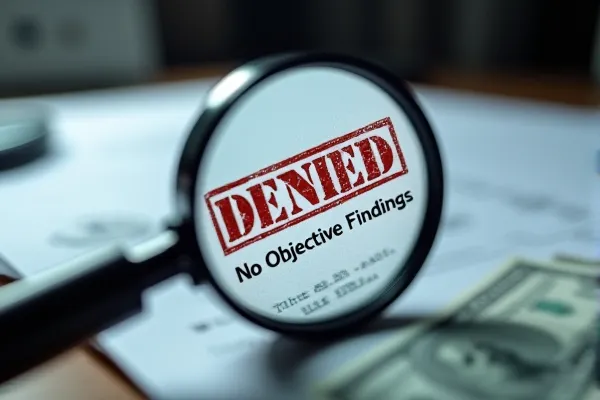
A DME is not about “finding the truth.” It’s about generating a defense-friendly record. The way you protect yourself is by treating every step like it could be read aloud at trial: what you sign, what you say, what gets measured, and what gets omitted.
- Authority framework: Code of Civil Procedure section 2032.020 authorizes physical and mental examinations under specific conditions.
- Enforcement tool: Code of Civil Procedure section 2032.410 addresses issues around conduct and objections connected to examinations.
Why California Law and San Diego Superior Court Venue Shape DME Outcomes
San Diego Superior Court is where DME disputes get solved when the defense overreaches. California Law provides the mechanism: when the exam can be demanded, what scope is allowed, and what remedies exist if the process is abused. Venue matters because it affects how quickly disputes are heard and how defense counsel evaluates risk—especially when the case is heading toward trial and the DME is being used to build an attack narrative.
- California Law controls the conditions and scope of defense exams so they aren’t open-ended fishing trips.
- San Diego Superior Court is the forum where improper exam tactics can be challenged with real consequences.
The “Immediate 5” DME Questions San Diego Clients Ask
1) What is a DME in California litigation, and do I have to attend?
A defense medical exam is a court-authorized discovery tool that allows the defense to have you examined when your physical or mental condition is in controversy. Code of Civil Procedure section 2032.020 is the core authority for these exams, and it’s the statute defense counsel cites when they notice the examination. If the exam is properly noticed and within allowed scope, failing to attend can create sanctions risk and evidentiary harm, which is why the right response is controlled compliance, not avoidance.
- Attend when properly required, but treat it as litigation procedure, not medical care.
- Make sure the exam scope matches what is actually at issue in the case.
2) What can the defense doctor ask me, and what should I say about my history?
The defense doctor will ask history questions because they want a narrative they can quote in a report. Your job is to be accurate and concise, and not adopt assumptions embedded in their phrasing. Under Evidence Code section 780, credibility factors include consistency and plausibility, so the defense wants you to sound inconsistent or overstated. The safest approach is to answer truthfully, limit answers to what you actually know, and avoid speculation about diagnoses, causation theories, or timelines you haven’t reviewed.
- Do not agree to forms that misstate when symptoms began or how the collision occurred.
- If a question is unclear or loaded, correct the premise and answer the real question briefly.
- Never guess on dates; “I don’t recall the exact date” is better than a wrong number.
3) Can the defense record the exam, and can I bring someone with me?
Whether recording or a third-party observer is allowed is not automatic; it is usually litigated based on circumstances, notice terms, and protective orders. Code of Civil Procedure section 2032.510 addresses audio recording of an examination in certain circumstances, and it is one of the statutes used to set boundaries and conditions. In San Diego cases, if there is a legitimate reason to preserve the process—prior misconduct, language issues, cognitive vulnerability—those facts can support conditions to prevent gamesmanship.
- Do not assume you can record; the right approach is to handle it through counsel and the rules.
- Observer issues are case-specific and often resolved through written stipulation or court order.
4) What happens if the defense doctor rushes the exam or writes a report that misstates what happened?
A rushed exam does not automatically defeat a report, but it creates cross-examination material and helps frame credibility issues with the defense opinion. Code of Civil Procedure section 2032.410 is part of the enforcement structure around exams and disputes, and it matters because exam conduct can become the subject of discovery motions and evidentiary arguments. The practical defense tactic is to present the DME as “objective” and your treating doctors as “biased,” so your job is to preserve the real timeline and objective findings that contradict the defense narrative.
- Document what occurred: start time, end time, tests performed, and what was skipped.
- Preserve your treating records and imaging reports so the DME opinion is just one viewpoint.
- Expect the defense to cite the DME report in mediation briefs and trial themes.
5) How does a DME affect settlement value and trial strategy in San Diego Superior Court?
Insurers use DME reports to justify discounting future care, limiting causation, and arguing the treatment was excessive. After a DME, settlement posture often shifts because the defense claims “medical uncertainty” or “degenerative change,” even when your treating records show consistent traumatic onset. Code of Civil Procedure section 998 becomes more strategic after a DME because the parties can evaluate how competing medical opinions will play at trial, and a well-timed offer can impose cost risk if the defense refuses to move off an unreasonable valuation.
- A strong treating record can neutralize a defense report by anchoring objective findings and consistent complaints.
- A weak or inconsistent treatment timeline gives the defense doctor room to write the insurer’s story for them.
How DMEs Are Won or Lost: Evidence, Procedure, and San Diego Reality
A) Evidence Evaluation in San Diego Cases
DMEs are easiest to attack when the objective record is clean and the defense report reads like a template. Police reports can anchor mechanism and fault, but medical records are what carry causation and damages. Imaging, exam findings, and consistent treatment notes reduce the defense doctor’s ability to claim the condition is “non-traumatic” or unrelated.
- Police reports vs medical records: reports frame the collision; records prove the injury and progression.
- Scene photos vs repair documentation: photos show dynamics; repairs can support force and direction.
- Treatment timeline consistency: gaps become defense leverage unless explained and documented.
B) Settlement vs Litigation Reality
Once filed in San Diego Superior Court, the defense uses the DME as a pivot point for valuation. They will cite it in mediation, in meet-and-confer letters, and in trial preparation. Under California Law, exam boundaries can be enforced, and a credible litigation posture—supported by records and procedure—limits the defense’s ability to turn a DME into a settlement haircut.
- DMEs don’t decide cases; they influence insurers when the plaintiff record is disorganized.
- Procedure and documentation are what convert an “attack exam” into a manageable opinion dispute.
C) San Diego-Specific Claim Wrinkles
In San Diego, defense medical experts are often scheduled in clusters near Kearny Mesa, Mission Valley, or Sorrento Valley because that’s where the defense infrastructure lives. That convenience has nothing to do with your care and everything to do with report production. Add Southern California insurer patterns—“minor impact,” “degeneration,” “symptom magnification”—and you can predict the themes before the exam even happens.
- Traffic density and rear-end patterns: defense loves “low speed” narratives even when injuries are real.
- Multi-vehicle collisions: they use complexity to argue causation uncertainty and price down damages.
- Regional resistance patterns: DME reports are used to cap future care and dispute permanency.
Lived Experiences
Bradley
I didn’t realize the defense exam was designed to build a report against me until I saw how the doctor wrote down things I never said. Once my attorney broke down the DME rules and helped me stick to the facts, the exam stopped feeling like a trap.
Alexandria
The defense doctor tried to turn my old workout routine into “proof” I wasn’t hurt, even though my treatment records showed consistent pain after the crash. My attorney used the timeline and objective findings to neutralize the report and keep the settlement talks grounded in reality.
California Statutory Framework & Legal Authority
Every statute cited on this page is linked below to the official California Legislature site exactly as required.
|
Attorney Advertising, Legal Disclosure & Authorship
ATTORNEY ADVERTISING.
This content is provided for general informational and educational purposes only and does not constitute legal advice.
Under the California Rules of Professional Conduct and applicable State Bar of California advertising regulations,
this material may be considered attorney advertising.
Viewing or reading this content does not create an attorney-client relationship.
Laws and procedures governing personal injury claims vary by jurisdiction and may change over time.
You should consult a qualified California personal injury attorney regarding your specific situation before taking any legal action.
Responsible Attorney:
Richard Morse, California Attorney (Bar No. 289241).
Morse Injury Law is a practice name and location used by Richard Peter Morse III, a California-licensed attorney.
About the Author & Legal Review Process
This article was prepared by the legal editorial team supporting Richard Peter Morse III,
with the goal of explaining California personal injury law and claims procedures in clear, accurate, and practical terms for injured individuals in San Diego and surrounding communities.
Legal Review:
This content was reviewed and approved by Richard Morse, a California-licensed attorney (Bar No. 289241),
who concentrates his practice on personal injury litigation and insurance claim disputes.
With more than 13 years of experience representing injury victims throughout California,
Mr. Morse focuses on serious personal injury matters including motor vehicle collisions, uninsured and underinsured motorist claims,
premises liability, catastrophic injury, and wrongful death.
His practice emphasizes claims evaluation, insurance carrier accountability, and litigation in California courts when fair resolution cannot be achieved.
|