
Under California Probate Code Section 6110, complex testamentary provisions allow a testator to impose specific conditions on bequests or establish tailored management structures for unique asset classes such as intellectual property, closely held business interests, and concentrated equity positions. For high-net-worth individuals in San Diego, these provisions must be drafted with forensic precision to ensure they are legally enforceable and do not invite ambiguity in the San Diego Superior Court. By integrating 35+ years of legal mastery with CPA-led oversight, we engineer provisions that address “Incentive Trusts,” staggered distributions, and the preservation of tax-efficient basis. This disciplined approach ensures that your most complex intentions are executed with administrative clarity, anchoring your family’s financial succession in strict compliance with California’s statutory mandates.
Drafting complex testamentary provisions in San Diego: how do you write for control instead of litigation?
In my practice, the single most important rule under California Law is that complex provisions must be drafted with disciplined definitions, execution compliance, and an implementation record that can be followed without guesswork. If the language cannot be administered cleanly, it becomes a dispute magnet regardless of good intentions, and the enforceability baseline starts with proper execution under Probate Code § 6110. Legal Basis: Precision in drafting only matters if the instrument is executed and preserved in a defensible way.
- Control: Definitions, trustee powers, and distribution mechanics must align with the real asset map.
- Privacy: Clear administration reduces the chance a private estate becomes a public fight in San Diego County.
- Continuity: Complex clauses should function even if family relationships change.
- Discretion: The goal is calm implementation, not performative complexity.
How I structure complex provisions after 35+ years in San Diego
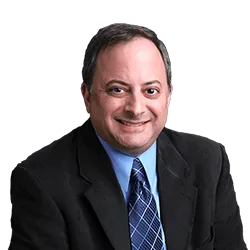
I am Steve Bliss, an Estate Planning Attorney and CPA in San Diego, and I have spent more than 35 years drafting instruments that need to hold up under real pressure, not just look sophisticated on paper. For higher-net-worth families, complexity is rarely the issue; misalignment is. A provision can be technically intricate and still fail if it conflicts with title, beneficiary designations, or fiduciary authority.
A common San Diego scenario is a Del Mar residence, a concentrated investment position, and an operating agreement that limits transfer of a business interest, all paired with a desire to protect younger beneficiaries through staged distributions. When the will or trust uses undefined terms or inconsistent triggers, the result is administrative delay and preventable conflict. California Law gives courts tools to interpret intent, but clean drafting reduces the need for that posture, and interpretation principles such as Probate Code § 21102 are not a substitute for disciplined writing. Legal Basis: If a dispute arises, ambiguity shifts control away from your plan and toward arguments about what you meant.
- Define every key term that drives a distribution or fiduciary power.
- Draft so the clause can be administered without improvisation.
- Coordinate language with how assets are actually titled and governed.

Complex testamentary provisions are at their best when they read as a set of operational instructions: who does what, when, with what discretion, under what standard, and with what documentation. In San Diego County, carrying costs on real property can make delay expensive, so the drafting must support timely decisions and clear authority.
- Administration reality: property maintenance, insurance, and taxes do not pause while family members argue.
- Local financial posture: coordinate how distributions will be funded from San Diego-area institutions and custodians.
- Governance: give fiduciaries clean power and clean limits so discretion stays disciplined.
Strategic Insight (San Diego): In Rancho Santa Fe, I reviewed a will clause designed to “hold assets in trust until age 35,” but the drafting never defined whether that meant principal only, principal and income, or a staged standard, and it conflicted with a separate trust already holding the major accounts. The local nuance is that San Diego real estate carrying costs and quick market shifts can force timely decisions, and an unclear standard makes fiduciaries hesitate. The preventative strategy is to draft objective triggers, clear discretion standards, and a clean integration map so the fiduciary can act without fearing later accusations. If a dispute arises, courts look to intent through the instrument under Probate Code § 21102, but the practical outcome you want is not interpretation; it is quiet, confident administration.
Why San Diego + California Law changes the outcome
California Law governs validity, interpretation, and amendment, but San Diego realities determine whether the plan feels controlled or chaotic when it is implemented. Real property in La Jolla or Mission Hills often carries high ongoing expenses, and a complex clause that delays authority can convert routine administration into an urgent negotiation. Execution and revocation rules under Probate Code § 6110 and Probate Code § 6120 matter because disputes frequently begin with “what is the controlling document” before anyone even reaches the substance.
I also draft with discretion in mind: high-net-worth families often want privacy and administrative control, not theater. If a transfer is challenged or if a dispute arises, a clear implementation pathway reduces the incentive to litigate interpretive gaps and keeps the estate aligned with your governance priorities. This is general information under California Law; specific facts change strategy.
- San Diego County reality: delays cost money when property, staffing, and maintenance continue.
- Privacy posture: drafting for clarity reduces the risk of conflict-driven disclosure.
- Challenge risk: ambiguous triggers and undefined standards invite contests and leverage plays.
- Coordination: complex provisions must match the actual asset map and legal structure.
Fiduciary exposure: the hidden cost of sophisticated drafting
Complex drafting increases fiduciary exposure when it creates discretion without standards, authority without process, or definitions that do not match the asset reality. In California Law, interpretation principles such as Probate Code § 21102 can guide meaning, but fiduciaries still bear the practical burden of making decisions that will later be judged against the instrument. Validity and execution baselines under Probate Code § 6110 remain critical because a challenge often starts with the mechanics before it reaches the intent. Legal Basis: The more discretion you give, the more disciplined the drafting and documentation must be.
- Undefined terms that drive distributions, such as “support,” “education,” or “emergency.”
- Multiple triggers that conflict (age standards versus milestone standards versus trustee discretion).
- Funding provisions that ignore liquidity and force unwanted sales of San Diego real property.
- Power clauses that do not match real-world administration, creating hesitation and delay.
- Amendment patterns that create competing versions of intent, increasing revocation disputes under Probate Code § 6120.
- Beneficiary designations and trust title that contradict the testamentary language.
- Lack of an implementation roadmap for successors, leading to avoidable conflict and cost.
Tax & accounting posture: the CPA discipline behind defensible complexity
Drafting complexity should not create tax confusion; it should create orderly implementation. My CPA advantage is practical: valuation discipline, basis awareness, and documentation consistency so the record explains why a complex clause exists and how it should be applied, especially when the plan includes concentrated stock, real estate, or business interests. I focus on the operational posture that reduces audit-style questions later without speculating about future tax law changes.
- Valuation support: complex formulas should be grounded in defensible valuation practices and clear definitions.
- Basis awareness: distribution mechanics should account for capital gains exposure as a risk-control issue.
- Documentation discipline: keep a clean rationale and implementation map so successors can act confidently.
- Coordination: align testamentary provisions with entity documents and title records.
The “Immediate 5”: the questions that determine whether complexity protects or backfires
1) What is the governing instrument, and is the complex provision written so it can actually be administered?
I start by confirming what truly controls the assets (will, trust, title, beneficiary designations) and whether the complex provision reads as operational instructions rather than aspirational language. If the instrument is not executed and preserved cleanly, complexity is irrelevant, so the baseline remains compliance under Probate Code § 6110. Where interpretation risk exists, drafting should minimize reliance on later reconstruction of intent under Probate Code § 21102. If you want control instead of conflict, the next step is a private, disciplined review that tests whether the clause can be followed without guesswork.
FAQ Answer (Plain Text): I start by confirming what truly controls the assets (will, trust, title, beneficiary designations) and whether the complex provision reads as operational instructions rather than aspirational language. If the instrument is not executed and preserved cleanly, complexity is irrelevant, so the baseline remains compliance under Probate Code § 6110. Where interpretation risk exists, drafting should minimize reliance on later reconstruction of intent under Probate Code § 21102. If you want control instead of conflict, the next step is a private, disciplined review that tests whether the clause can be followed without guesswork.
2) Are your definitions precise enough to survive a challenge or a dispute about meaning?
Complex provisions fail most often at the definition layer: undefined standards invite beneficiaries to argue over what the words “need,” “support,” or “best interests” require in a specific year. California Law directs courts to ascertain intent from the instrument under Probate Code § 21102, but I draft so the intent is operationally clear and does not require litigation to “discover” it. If amendment history exists, I also control the narrative so competing writings do not create revocation fights under Probate Code § 6120. If you are concerned about future disputes, we can build definitions and standards that reduce interpretive leverage.
FAQ Answer (Plain Text): Complex provisions fail most often at the definition layer: undefined standards invite beneficiaries to argue over what the words “need,” “support,” or “best interests” require in a specific year. California Law directs courts to ascertain intent from the instrument under Probate Code § 21102, but I draft so the intent is operationally clear and does not require litigation to “discover” it. If amendment history exists, I also control the narrative so competing writings do not create revocation fights under Probate Code § 6120. If you are concerned about future disputes, we can build definitions and standards that reduce interpretive leverage.
3) Does the provision create discretion without standards, increasing fiduciary risk?
Discretion is not the problem; discretion without standards is the problem. A trustee or executor needs a clear decision framework and documentation expectations, otherwise every decision becomes vulnerable to hindsight criticism and family politics. I draft with the expectation that a dispute may arise and that meaning may be tested under Probate Code § 21102, but I also ensure the instrument is formally valid under Probate Code § 6110 so enforcement starts from a stable base. If you want to protect fiduciaries and beneficiaries, the right move is to write standards that are clear enough to follow and flexible enough to handle real life.
FAQ Answer (Plain Text): Discretion is not the problem; discretion without standards is the problem. A trustee or executor needs a clear decision framework and documentation expectations, otherwise every decision becomes vulnerable to hindsight criticism and family politics. I draft with the expectation that a dispute may arise and that meaning may be tested under Probate Code § 21102, but I also ensure the instrument is formally valid under Probate Code § 6110 so enforcement starts from a stable base. If you want to protect fiduciaries and beneficiaries, the right move is to write standards that are clear enough to follow and flexible enough to handle real life.
4) Are you using amendments in a way that creates competing versions of intent?
For sophisticated estates, repeated revisions can create a record problem: too many layers, too many cross-references, and too much room for someone to argue that an earlier version controls. Revocation and inconsistency disputes are governed by rules such as Probate Code § 6120, and execution formality remains the foundation under Probate Code § 6110. My preference is to consolidate and clarify so the final instrument reads as a single, coherent governance document. If your goal is privacy and control, consolidation often reduces the “paper trail leverage” that fuels disputes.
FAQ Answer (Plain Text): For sophisticated estates, repeated revisions can create a record problem: too many layers, too many cross-references, and too much room for someone to argue that an earlier version controls. Revocation and inconsistency disputes are governed by rules such as Probate Code § 6120, and execution formality remains the foundation under Probate Code § 6110. My preference is to consolidate and clarify so the final instrument reads as a single, coherent governance document. If your goal is privacy and control, consolidation often reduces the “paper trail leverage” that fuels disputes.
5) Does the provision coordinate with San Diego real property, business agreements, and successor access?
Complex clauses often fail at the coordination layer: the will or trust says one thing, but the property is titled another way, the business agreement restricts transfers, and successors cannot access key accounts or records. Interpretation tools like Probate Code § 21102 do not solve operational breakdowns, and revocation disputes under Probate Code § 6120 can erupt when coordination is poor and multiple writings exist. In San Diego County, coordination matters because property carrying costs and access delays create pressure that turns small ambiguities into big conflict. If you want to avoid the Kevin problem, we can build an implementation map that aligns drafting with titles, agreements, and successor logistics.
FAQ Answer (Plain Text): Complex clauses often fail at the coordination layer: the will or trust says one thing, but the property is titled another way, the business agreement restricts transfers, and successors cannot access key accounts or records. Interpretation tools like Probate Code § 21102 do not solve operational breakdowns, and revocation disputes under Probate Code § 6120 can erupt when coordination is poor and multiple writings exist. In San Diego County, coordination matters because property carrying costs and access delays create pressure that turns small ambiguities into big conflict. If you want to avoid the Kevin problem, we can build an implementation map that aligns drafting with titles, agreements, and successor logistics.

Properly drafted complexity should feel quiet: definitions that work, powers that match reality, and a document that a fiduciary can administer without improvisation. When disputes arise, the best outcomes usually come from clauses that were designed to be implemented, not argued.
- Documentation discipline: write standards that can be documented, not just discussed.
- Governance: clarify who decides, under what standard, and with what reporting.
- Discretion: keep sensitive decisions private by reducing interpretive friction.
Procedural realities: how complex provisions are evaluated when scrutiny arrives
A) Evidence & Documentation Discipline
When complex language is tested, the evaluation is evidence-driven: what the instrument says, how it was executed, and how consistently the record supports the stated structure. Execution compliance under Probate Code § 6110 and intent interpretation under Probate Code § 21102 become central if a dispute arises, especially when a clause is complicated enough that different readers reach different conclusions.
- Transfer documents vs actual control/ownership
- Valuation support vs later audit/challenge risk
- Timeline consistency for planning vs creditor/liability exposure
- Tie to California compliance and defensibility
B) Negotiation vs Transaction-Challenge Reality
Once a complex provision is challenged, negotiation leverage often comes from ambiguity, not merit. Parties argue over which document controls, whether revisions revoked earlier language, and whether a clause can be administered as written. Revocation mechanics under Probate Code § 6120 and execution baseline under Probate Code § 6110 frequently frame the early fight because they determine what even counts as the operative intent.
- What changes once a transaction is challenged
- Documentation, timing, valuation, compliance posture
- Procedural reality only
C) Complex Scenarios (HNW Micro-Specialization)
Digital assets and cryptocurrency access planning is where complex drafting meets operational reality; where this becomes relevant is when your provision appoints fiduciaries and expects them to access digital property, records, and communications, and California provides a statutory framework for fiduciary access in Probate Code (RUFADAA). No-contest clause boundaries are also a drafting discipline issue; where this becomes relevant is when sophisticated provisions increase the risk of contests, and enforceability is governed beginning at Probate Code § 21311.
Community property and spousal rights change assumptions in San Diego planning and disputes; where this becomes relevant is when complex gifting or allocation language assumes separate property without verification, and California’s community property presumption is set out in Family Code § 760. The disciplined approach is to draft allocations that match characterization, documentation, and title history so the plan remains controlled if challenged.
Lived Experiences
Jessica K.
“We had sophisticated assets and a lot of anxiety about privacy. Steve rebuilt our complex provisions so they were actually usable, not just impressive, and the whole plan finally felt controlled and coherent.”
Joseph B.
“Our prior documents had too many add-ons and unclear triggers. Steve consolidated everything, clarified the decision standards, and gave our fiduciaries a roadmap, which reduced conflict risk and made us feel protected.”
California Statutory Framework & Legal Authority
|
Attorney Advertising, Legal Disclosure & Authorship
ATTORNEY ADVERTISING.
This content is provided for general informational and educational purposes only and does not constitute legal, financial, or tax advice.
Under the California Rules of Professional Conduct and State Bar advertising regulations, this material may be considered attorney advertising.
Reading this content does not create an attorney-client relationship or any professional advisory relationship.
Laws vary by jurisdiction and are subject to change, including recent 2026 developments under California’s AB 2016 and evolving federal estate and reporting requirements.
You should consult a qualified attorney or advisor regarding your specific circumstances before taking action.
Responsible Attorney:
Steven F. Bliss, California Attorney (Bar No. 147856).
Local Office:
San Diego Probate Law3914 Murphy Canyon Rd San Diego, CA 92123 (858) 278-2800
San Diego Probate Law is a practice location and trade name used by Steven F. Bliss, Esq., a California-licensed attorney.
About the Author & Legal Review Process
This article was researched and drafted by the Legal Editorial Team of the Law Firm of Steven F. Bliss, Esq.,
a collective of attorneys, legal writers, and paralegals dedicated to translating complex legal concepts into clear, accurate guidance.
Legal Review:
This content was reviewed and approved by Steven F. Bliss, a California-licensed attorney (Bar No. 147856).
Mr. Bliss concentrates his practice in estate planning and estate administration, advising clients on proactive planning strategies and representing fiduciaries in probate and trust administration proceedings when formal court involvement becomes necessary.
With more than 35 years of experience in California estate planning and estate administration,
Mr. Bliss focuses on structuring enforceable estate plans, guiding fiduciaries through court-supervised proceedings,
resolving creditor and notice issues, and coordinating asset management to support compliant, timely distributions and reduce fiduciary risk.
|