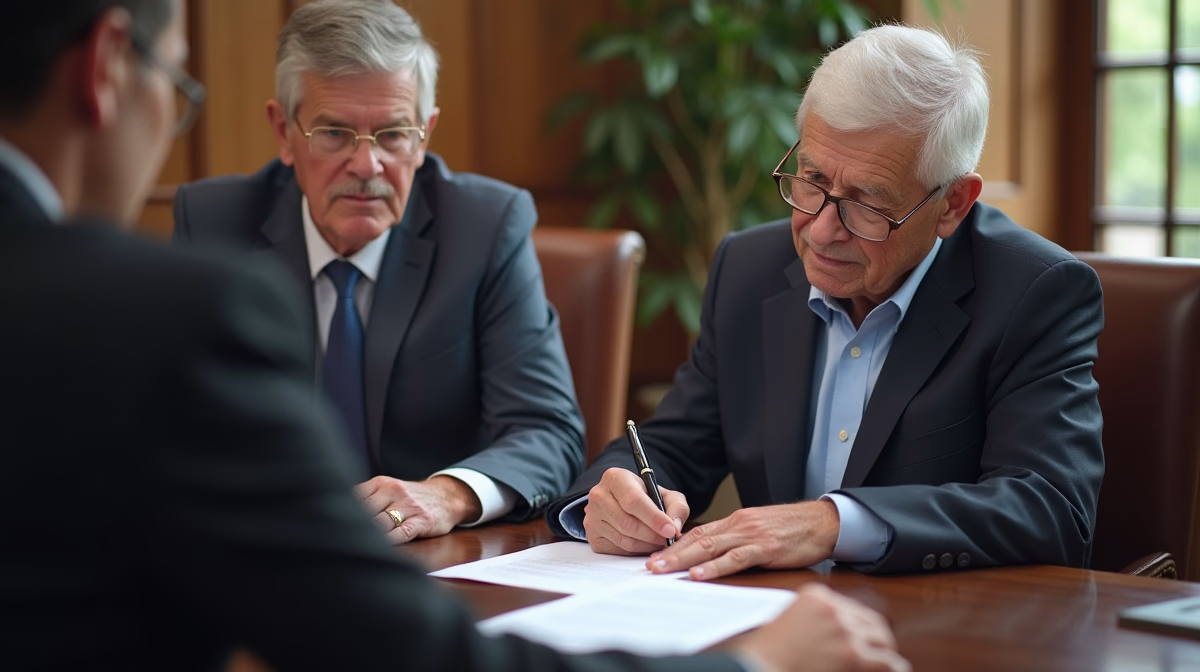
Can a beneficiary serve as a witness?
Robert stood in my Temecula office, visibly distraught. His mother’s will, painstakingly drafted years ago, was under attack. A disgruntled family member had challenged the document, claiming Robert, a significant beneficiary, had improperly witnessed the signing. The potential loss of inheritance loomed large, and the legal battle threatened to consume his family. This situation, unfortunately, is far more common than people realize, and highlights the critical importance of proper witnessing procedures in estate planning.
Why Witness Requirements Matter So Much

As an Estate Planning Attorney and CPA, I often explain to clients that a will isn’t valid just because it’s written down. California law demands specific formalities, and a core component of that is having qualified witnesses. These witnesses aren’t simply acknowledging that a signature exists; they’re attesting to the fact that the person signing appeared of sound mind and did so willingly. A flawed attestation process can invalidate years of careful planning.
Can a Beneficiary Actually Witness a Will?
The short answer is: it’s complicated, but generally, it’s highly discouraged, and can create significant legal problems. While not automatically invalidating the will, having a beneficiary as a witness opens the door to a legal challenge under California Probate Code § 6112, often called the “Purging Statute.” This statute states that if a witness is a beneficiary, their gift under the will can be revoked.
How Does the Purging Statute Work?
Essentially, the law assumes a potential conflict of interest. If a beneficiary witnesses the will, there’s a reasonable suspicion they might not be impartial. The court can “purge” or remove their benefit from the will, meaning they won’t receive what they were promised. However, the entire will isn’t necessarily invalidated. The gift to that particular beneficiary is simply removed, and the remaining provisions often stand. The will itself often remains valid, and assets are distributed according to the remaining instructions.
What If There Are Multiple Witnesses, and One is a Beneficiary?
This is where things get even trickier. If there are two disinterested witnesses in addition to the interested witness (the beneficiary), the will can still be valid. The presence of impartial witnesses helps to corroborate the validity of the document. However, the beneficiary’s gift remains vulnerable to challenge and potential revocation.
What About the Risk of a Full Will Contest?
Even if the will isn’t entirely invalidated, a beneficiary witness creates an opportunity for a full-blown will contest. A disgruntled heir could argue undue influence, lack of capacity, or fraud, potentially delaying the probate process for months or even years. These legal battles can be incredibly expensive and emotionally draining for your family.
How Does My CPA License Add Value Here?
As a CPA, I bring a unique perspective to estate planning. I can help you understand the tax implications of your decisions, including potential step-up in basis on inherited assets, and manage the potential tax liabilities that can arise from improper estate execution. Failing to account for these factors can significantly reduce the value of your estate. My dual expertise ensures your plan is both legally sound and financially optimized.
What’s the Best Practice for Witness Selection?
Always choose disinterested witnesses – individuals who will not benefit from the will. Ideally, these should be people who are of sound mind, over the age of 18, and not related to you or your beneficiaries. We also strongly recommend using a self-proving affidavit, which is a notarized statement signed by the testator and witnesses. This affidavit simplifies the probate process by eliminating the need to locate witnesses years later. Per Probate Code § 8220, this is a powerful efficiency benefit.
What Happens If a Will Fails?
If a will is determined to be invalid, the estate will be distributed according to California’s intestacy laws. This means the state will determine who receives what, potentially deviating significantly from your intended wishes. If the estate falls under the Small Estate Threshold, which is currently $208,850 (effective April 1, 2025), a simplified probate process might be available, but larger estates will still require full probate proceedings.
If you’re considering a will, or reviewing an existing one, remember that proper execution and qualified witnesses are absolutely crucial. Don’t risk your family’s future by cutting corners.
Riverside Superior Court – Probate Division
What happens if a will is not properly witnessed?
The most heartbreaking cases in probate court are not the ones where no will exists, but where a perfectly crafted will is thrown out due to a technical error. California law is specific about who can serve as a witness.
- Strict Rules: Witnesses must generally be disinterested and present at the same time.
- High Stakes: A single error can void the document, sending your estate into intestacy.
- Legal Limits: Remember, the Statute of Limitations for legal malpractice is generally one year, so getting it right the first time is vital.
For a deeper dive into the law, see our post covering understanding California Probate Code section 6110 to dive deeper into the topic. I have seen valid wills thrown out of court simply because the witnesses were not present at the same time or failed to sign in the correct order. You deserve the assurance that comes with a professionally supervised execution process right here in Temecula. Reach out to us now, and let us help you turn your estate plan into a legally binding reality.
About Steve Bliss: An estate planning attorney in Temecula
The Law Firm of Steven F. Bliss Esq. is a dedicated legal firm serving Temecula, Riverside County, and the Inland Empire. Led by Steven F. Bliss, the firm offers a unique advantage: Steve is an experienced CPA & Estate Planning Lawyer.
Whether the court requires a formal probate or allows for an unsupervised process, having a skilled attorney is essential to avoid delays. Don’t face the costly and confusing legal process alone—call attorney Steve Bliss today.
Visit The Law Firm of Steven F. Bliss Esq:
Address:
The Law Firm of Steven F. Bliss Esq.43920 Margarita Rd Ste F
Temecula, CA 92592
(951) 223-7000