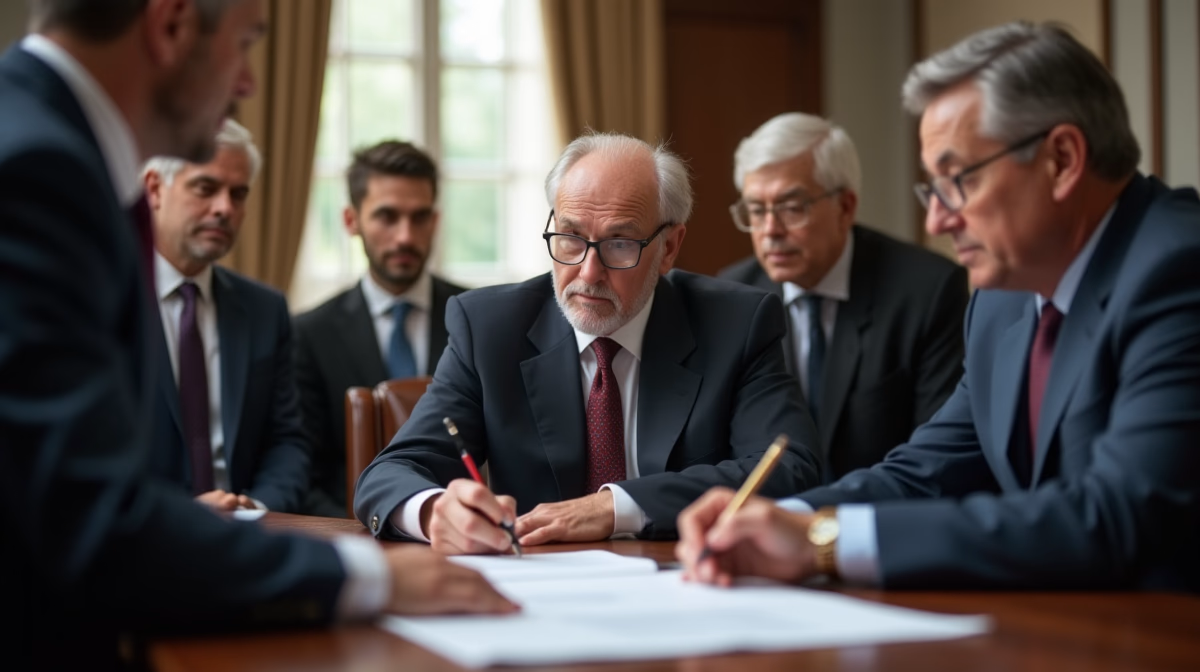
Can DIY wills fail because of attestation mistakes?
Linda stood trembling before the probate judge, her carefully crafted will dismissed due to a seemingly minor error—she’d signed on the wrong line. Years of planning, the intention to provide for her grandchildren, all undone because the attestation—the witnessing and signing process—wasn’t followed precisely. This is a tragically common scenario, and a stark warning about the risks of DIY estate planning.
What is Attestation and Why Does it Matter?

Attestation refers to the process of signing and witnessing a will. It’s far more than just a formality; it’s a legal requirement that validates your intentions. California law demands strict adherence to these rules, and even small errors can render a will invalid, leading to costly probate battles and unintended consequences. If the will fails, assets may fall under intestacy, though estates under $208,850 (effective April 1, 2025) might still avoid full probate.
Common Attestation Mistakes That Can Invalidate a Will
DIY will kits and online templates often don’t adequately explain the nuances of proper attestation. Here are some frequent errors I see as an Estate Planning Attorney and CPA in Temecula:
- Incorrect Witness Requirements: California requires two witnesses, both of whom must be present at the same time as the testator (the person making the will) signs, and who then sign the will themselves.
- Witness Eligibility: A witness cannot be a beneficiary of the will. Beneficiaries risk voiding their gift unless there are two other disinterested witnesses, though the will itself often remains valid, as defined in California Probate Code § 6112.
- Improper Witnessing Procedure: Witnesses must see you sign or acknowledge your signature. They can’t simply sign a pre-signed document.
- Missing Attestation Clause: A will should include a specific attestation clause, confirming that the signing was done in accordance with the law.
- Failure to Follow Statutory Form: While California doesn’t demand a specific format, deviating significantly from established legal conventions can raise questions about validity.
The Tax Implications of a Failed Will
As a CPA, I can tell you that a poorly executed will doesn’t just create emotional distress; it can have serious financial repercussions. Tax liabilities can become unnecessarily complex. Proper estate planning, including a valid will, allows us to minimize estate taxes and ensure the step-up in basis for inherited assets, which can save your heirs a significant amount of money. Improper execution can increase estate tax exposure and complicate the transfer of wealth.
The Importance of Self-Proving Affidavits
One way to avoid potential challenges is to include a self-proving affidavit with your will. Using a self-proving affidavit satisfies the court’s proof requirements immediately, as defined in Probate Code § 8220, avoiding the need to track down witnesses years later. This affidavit is a sworn statement signed by you and the witnesses, attesting to the proper execution of the will. While California allowed temporary remote witnessing during the pandemic, strict adherence to current presence requirements is critical to avoid invalidation.
How an Attorney Can Help
While DIY wills may seem appealing, the risks are significant. I’ve seen firsthand the heartache and expense caused by avoidable errors. I advise clients to prioritize professional guidance to ensure their wishes are legally sound and their loved ones are protected. We don’t just draft a document; we ensure it’s a comprehensive estate plan tailored to your specific needs and circumstances. We also ensure any powers granted in the will regarding digital assets grant sufficient RUFADAA powers to access those accounts.
If you’re considering a DIY will, I strongly encourage you to consult with an experienced Estate Planning Attorney. A small investment in professional advice can save your family a great deal of grief and expense down the road. You can find additional resources at Riverside Superior Court – Probate Division.
How do heirs prove a handwritten will is authentic?
The “Harmless Error” rule in California allows for some leeway, but relying on it is a gamble that costs thousands in legal fees. Why risk your family’s inheritance on a judge’s discretion?
- Proper Execution: Sign in the presence of two witnesses who also sign.
- Self-Proving: Use an affidavit to avoid hunting down witnesses later.
- Professional Help: Ensure compliance with Probate Code Section 6110.
To make sure your will stands up in court, read our insights on using a self-proving affidavit for a will to get expert advice. The “signing ceremony” is a legal term of art for a reason; it is the moment your wishes become law, and it requires professional oversight to be valid. As a dual-licensed attorney and CPA, I ensure that every document is executed in strict compliance with the California Probate Code. Do not let a procedural mistake destroy your legacy—contact our office today to finalize your plan with confidence.
About Steve Bliss: An estate planning attorney in Temecula
The Law Firm of Steven F. Bliss Esq. is a dedicated legal firm serving Temecula, Riverside County, and the Inland Empire. Led by Steven F. Bliss, the firm offers a unique advantage: Steve is an experienced CPA & Estate Planning Lawyer.
Whether the court requires a formal probate or allows for an unsupervised process, having a skilled attorney is essential to avoid delays. Don’t face the costly and confusing legal process alone—call attorney Steve Bliss today.
Visit The Law Firm of Steven F. Bliss Esq:
Address:
The Law Firm of Steven F. Bliss Esq.43920 Margarita Rd Ste F
Temecula, CA 92592
(951) 223-7000