
Under California Probate Code Section 870, the Revised Uniform Fiduciary Access to Digital Assets Act (RUFADAA) provides the legal framework for fiduciaries to manage a decedent’s digital property. For high-net-worth estates, standard Will language is often insufficient to overcome the “Terms of Service” agreements held by major service providers. To ensure lawful access to cryptocurrency, private keys, and sensitive business data, a Will must contain specific, express authorizations that satisfy the evidentiary standards required by both the platform and the San Diego Superior Court. Without these forensic provisions, fiduciaries are frequently met with “Operational Paralysis,” unable to access assets that lack physical form. A disciplined drafting strategy integrates these digital directives with the broader estate plan, providing the necessary legal standing to preserve the value, privacy, and continuity of your electronic legacy.
Digital Asset Succession & Will Provisions: what must San Diego families control now under California Law?
Under California Law, the single most important rule is compliance-first authority and documentation discipline so fiduciaries can lawfully access digital assets without improvisation, and so transfers are timed and recorded to avoid later “value shifting” allegations if a dispute arises. Legal Basis: Prob. Code § 870.
- Define what “digital assets” means for your specific financial ecosystem.
- Grant express authority in writing and align it with custodial-platform rules.
- Separate access instructions from the will while keeping governance consistent.
How I structure digital asset succession for control, privacy, and defensibility in San Diego
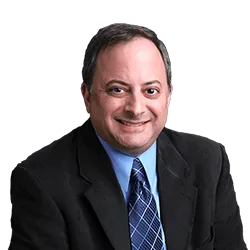
I’m Steve Bliss, an Estate Planning Attorney and CPA in San Diego County, and I’ve been doing this work for more than 35 years. Digital asset succession is not “tech support”; it is fiduciary governance with legal authority, documented consent, and a defensible chain of control under California Law. Legal Basis: Prob. Code § 870.
In a recent Rancho Santa Fe planning matter involving a private investment vehicle and a family-run enterprise, the risk was not the size of the portfolio—it was access continuity. As a CPA, I focus on valuation discipline and basis-awareness so digital transfers, token movements, and account closures don’t create unexplained deltas that invite questions later. If a transfer is challenged, your process and documentation will be examined as closely as your intent. Legal Basis: Civ. Code § 3439.04.
- Authority language that custodians can act on.
- A clean audit trail for access events and asset movement.
- Privacy-preserving governance that reduces internal friction.

For many families in La Jolla and Mission Hills, the real exposure is operational: subscription billing, marketplace payouts, two-factor lockouts, and financial apps that treat “helpful” access as prohibited access. The will can authorize, but the administrative system must be ready to execute.
- Inventory the accounts that actually move value.
- Separate “authority” from “instructions” for safer updates.
- Coordinate successor roles across business and personal systems.
Strategic Insight (San Diego): A coastal property holding company had rent and vendor payments tied to a single phone-based authenticator, and the family assumed a password manager was “enough.” The local nuance was carrying costs and time-sensitive maintenance decisions while access was frozen. The preventative strategy was written fiduciary authority plus a documented access protocol and a controlled recovery pathway, which reduced delay and preserved privacy. Legal Basis: Prob. Code § 870.
Why San Diego + California Law changes the outcome
California Law provides a framework for fiduciary access to digital assets, but custodians still require clear authority and a disciplined process. In San Diego County, the practical reality is that delays compound quickly when assets are tied to real property operations, private banking relationships, or business systems that cannot pause. Legal Basis: Prob. Code § 870 and Prob. Code § 871.
This is general information under California Law; specific facts change strategy.
- Access delays can create avoidable leakage and preventable conflict.
- Custodian processes demand documentation, not verbal instructions.
- If a transfer is challenged, timing and records shape defensibility. Legal Basis: Civ. Code § 3439.04.
Fiduciary exposure: where digital assets create avoidable risk
Digital assets raise a distinct fiduciary risk: the gap between what a fiduciary must do and what they are permitted to do. If authority is unclear or inconsistent, a well-meaning executor or trustee can be accused of overreach, delay, or mishandling—even when the intent is protective. Legal Basis: Prob. Code § 16000.
- No written authority for digital access and disclosures. Legal Basis: Prob. Code § 870.
- Outdated inventories that omit key exchanges, wallets, or payment rails.
- Token movements that lack valuation support and invite “value shifting” narratives. Legal Basis: Civ. Code § 3439.04.
- Blended personal and business credentials that defeat governance boundaries.
- Inconsistent successor designations across custodians and documents.
- Community property assumptions applied to assets that were never characterized. Legal Basis: Fam. Code § 760.
Tax & accounting posture: CPA discipline applied to digital succession
Digital assets often create accounting friction: valuation snapshots, transaction histories, basis tracking, and the difference between “access” and “ownership.” My CPA advantage is operational: we structure documentation so fiduciaries can prove authority, prove timeline, and prove what happened, without relying on memory or informal screenshots. The objective is administrative control that remains calm and defensible years later.
- Valuation support tied to the date and method used.
- Record retention standards that match how custodians actually operate.
- Process notes that explain decisions without inviting unnecessary disclosure.
The Immediate 5: decisions that determine whether your digital plan actually works
1) Which digital assets should be controlled by will provisions versus a separate instruction letter?
Under California Law, the will can establish authority and successor roles, but operational instructions should usually live outside the will so they can be updated without re-execution and without increasing disclosure risk. The control point is a written grant of fiduciary access aligned to how custodians respond to authority. Legal Basis: Prob. Code § 870. If your goal is to prevent the kind of leakage Brian faced, we prioritize authority first and keep the operational map current.
FAQ Answer (Plain Text): Under California Law, the will can establish authority and successor roles, but operational instructions should usually live outside the will so they can be updated without re-execution and without increasing disclosure risk. The control point is a written grant of fiduciary access aligned to how custodians respond to authority. Legal Basis: Prob. Code § 870. If your goal is to prevent the kind of leakage Brian faced, we prioritize authority first and keep the operational map current.
2) How do I authorize an executor to access online accounts without creating privacy or overreach risk?
Authorization should be specific enough to satisfy custodians yet limited enough to match your privacy goals, with role-based boundaries (review, preserve, close, transfer) and a documented chain of access. California Law recognizes fiduciary access when properly authorized, but ambiguity is where accusations begin. Legal Basis: Prob. Code § 871. If a dispute arises, controlled authority is stronger than broad language that looks improvised.
FAQ Answer (Plain Text): Authorization should be specific enough to satisfy custodians yet limited enough to match your privacy goals, with role-based boundaries (review, preserve, close, transfer) and a documented chain of access. California Law recognizes fiduciary access when properly authorized, but ambiguity is where accusations begin. Legal Basis: Prob. Code § 871. If a dispute arises, controlled authority is stronger than broad language that looks improvised.
3) What documentation prevents “value shifting” allegations if digital assets are moved or consolidated?
When digital assets are moved, consolidation should be supported by a dated inventory, valuation snapshots, and contemporaneous notes tying the movement to administration or risk control rather than concealment. If a transfer is challenged, the analysis often focuses on badges of intent and the quality of the record. Legal Basis: Civ. Code § 3439.04. If you want stability instead of later argument, we build a clean audit trail from day one.
FAQ Answer (Plain Text): When digital assets are moved, consolidation should be supported by a dated inventory, valuation snapshots, and contemporaneous notes tying the movement to administration or risk control rather than concealment. If a transfer is challenged, the analysis often focuses on badges of intent and the quality of the record. Legal Basis: Civ. Code § 3439.04. If you want stability instead of later argument, we build a clean audit trail from day one.
4) How do I choose and supervise a successor for crypto and high-risk digital accounts?
Selection should be competency-based, with governance controls: defined authority scope, required documentation steps, and a prohibition on commingling personal and estate activity. The fiduciary’s duty is to administer according to the plan, not to experiment under pressure. Legal Basis: Prob. Code § 16000. If your plan includes crypto, the calm move is to define guardrails before urgency forces shortcuts.
FAQ Answer (Plain Text): Selection should be competency-based, with governance controls: defined authority scope, required documentation steps, and a prohibition on commingling personal and estate activity. The fiduciary’s duty is to administer according to the plan, not to experiment under pressure. Legal Basis: Prob. Code § 16000. If your plan includes crypto, the calm move is to define guardrails before urgency forces shortcuts.
5) How do community property rules affect digital assets and account credentials in San Diego planning?
Community property rules can change assumptions about ownership, reimbursement, and the narrative of “who had the right” to control or move an asset, particularly when spouses share devices but not account authority. Clear characterization reduces conflict and keeps administration private and orderly. Legal Basis: Fam. Code § 760. If your household is blended or high-asset, we document characterization so credentials and ownership aren’t argued later.
FAQ Answer (Plain Text): Community property rules can change assumptions about ownership, reimbursement, and the narrative of “who had the right” to control or move an asset, particularly when spouses share devices but not account authority. Clear characterization reduces conflict and keeps administration private and orderly. Legal Basis: Fam. Code § 760. If your household is blended or high-asset, we document characterization so credentials and ownership aren’t argued later.

Digital succession is often won or lost in the first 72 hours: access protocols, custodian communications, and the decision to preserve versus move assets. If you want to avoid preventable leakage and keep the process discreet, the plan needs an operational spine.
- San Diego properties and businesses cannot pause while access is negotiated.
- Custodian requirements should be anticipated, not discovered under stress.
- Documentation discipline protects fiduciaries and beneficiaries.
Procedural realities: what actually changes when access is needed or a transaction is challenged
A) Evidence & Documentation Discipline
Digital access disputes are documentation disputes. Custodians respond to authority and process, not family consensus, and the file must prove permission, timing, and scope. Legal Basis: Prob. Code § 870.
- Transfer documents vs actual control/ownership, supported by authority that custodians will recognize. Legal Basis: Prob. Code § 871.
- Valuation support vs later audit/challenge risk, documented with date-specific snapshots.
- Timeline consistency for planning vs creditor/liability exposure, using a clean chain of events. Legal Basis: Civ. Code § 3439.04.
- Tie to California compliance and defensibility so fiduciaries are not forced into guesswork.
B) Negotiation vs Transaction-Challenge Reality
When everyone is aligned, access can be obtained through orderly custodian engagement and documented authority. When a transaction is challenged, the frame shifts to intent, timing, and remedies, and the burden becomes proving a responsible governance process. Legal Basis: Civ. Code § 3439.04.
- What changes once a transaction is challenged is the focus on intent and record quality, not just outcome.
- Documentation, timing, valuation, compliance posture become the primary defense and the primary attack surface.
- Procedural reality only: remedies and reversal risk may become part of the conversation. Legal Basis: Civ. Code § 3439.07.
C) Complex Scenarios (HNW Micro-Specialization)
Digital assets and cryptocurrency access planning for fiduciaries and successors is not optional when meaningful value is held behind keys, authenticators, or platform recovery rules. The governance move is to define authority and a controlled recovery pathway before urgency compresses judgment. Legal Basis: Prob. Code § 870.
Where this becomes relevant is when wills and trusts also include no-contest language and family dynamics are tense; no-contest clauses have boundaries, and relying on them as a shield for poor process is a mistake. Legal Basis: Prob. Code § 21311.
- Community property and spousal rights issues can change the ownership narrative for devices, accounts, and digital proceeds. Legal Basis: Fam. Code § 760.
- Fiduciary guardrails should prevent commingling and preserve a clean record. Legal Basis: Prob. Code § 16000.
- When privacy matters, separate authority from instructions so sensitive operational details are not unnecessarily exposed.
Lived Experiences
Karen B.
“Our accounts were complex and we wanted discretion. Steve built a system that gave our fiduciaries authority without turning our private life into an open file.”
Ryan A.
“We were worried about delays and confusion if something happened. The plan gave us control, clear steps, and a calm way for our successors to act.”
California Statutory Framework & Legal Authority
|
Attorney Advertising, Legal Disclosure & Authorship
ATTORNEY ADVERTISING.
This content is provided for general informational and educational purposes only and does not constitute legal, financial, or tax advice.
Under the California Rules of Professional Conduct and State Bar advertising regulations, this material may be considered attorney advertising.
Reading this content does not create an attorney-client relationship or any professional advisory relationship.
Laws vary by jurisdiction and are subject to change, including recent 2026 developments under California’s AB 2016 and evolving federal estate and reporting requirements.
You should consult a qualified attorney or advisor regarding your specific circumstances before taking action.
Responsible Attorney:
Steven F. Bliss, California Attorney (Bar No. 147856).
Local Office:
San Diego Probate Law3914 Murphy Canyon Rd San Diego, CA 92123 (858) 278-2800
San Diego Probate Law is a practice location and trade name used by Steven F. Bliss, Esq., a California-licensed attorney.
About the Author & Legal Review Process
This article was researched and drafted by the Legal Editorial Team of the Law Firm of Steven F. Bliss, Esq.,
a collective of attorneys, legal writers, and paralegals dedicated to translating complex legal concepts into clear, accurate guidance.
Legal Review:
This content was reviewed and approved by Steven F. Bliss, a California-licensed attorney (Bar No. 147856).
Mr. Bliss concentrates his practice in estate planning and estate administration, advising clients on proactive planning strategies and representing fiduciaries in probate and trust administration proceedings when formal court involvement becomes necessary.
With more than 35 years of experience in California estate planning and estate administration,
Mr. Bliss focuses on structuring enforceable estate plans, guiding fiduciaries through court-supervised proceedings,
resolving creditor and notice issues, and coordinating asset management to support compliant, timely distributions and reduce fiduciary risk.
|