San Diego Personal Injury Process | The Legal Framework & Timeline

Elena came to us after firing her first lawyer. “I don’t know what’s happening,” she said. “I call him, and he just says ‘we’re working on it,’ but nothing ever moves.” She felt lost in a maze. We sat her down and didn’t just tell her “trust us.” We showed her the Framework. We laid out the roadmap: “Right now, we are in Phase 2 (Negotiation). If they don’t offer $100k by Friday, we trigger Phase 3 (Litigation) and file the lawsuit.” For the first time, Elena wasn’t just a victim waiting for news; she was a participant in a plan. When the lowball offer came, she didn’t panic. She looked at the roadmap and said, “Okay, Phase 3. Let’s file.” That confidence—knowing exactly where she stood—kept her calm until we secured a $450,000 verdict.

THE FOUNDATION: BURDEN OF PROOF (EVID. CODE § 115)

Every step in the legal framework—from the first photo of the crash scene to the final closing argument—serves one singular purpose: meeting the Burden of Proof. Under California Evidence Code § 115, we do not need to prove your case “beyond a reasonable doubt” like in criminal law. We must prove it by a Preponderance of the Evidence. This means showing that it is “more likely than not” (51%) that the defendant caused your injury. The framework below is the blueprint we use to build that 51% advantage, layer by layer.
Confidential Confidential Case Review • No Fee Unless We Win

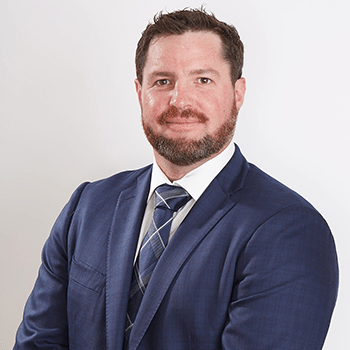
Attorney Richard Morse a San Diego Injury Attorney

DAMAGES & COMPENSATION

Lost Wages & Future Earnings

Recovering paycheck losses and calculating the lifetime value of your reduced earning capacity.

Pain & Suffering (General Damages)

Compensating you for the physical pain, mental anguish, and loss of enjoyment of life.

Punitive Damages

Additional financial penalties designed to punish defendants who act with malice or recklessness.

Scarring & Revision Surgery

Damages for permanent disfigurement and the costs of future plastic surgery.

Emotional Distress & PTSD

Legal recourse for anxiety, sleep disruption, and trauma caused by the accident.

LEGAL ANALYSIS & LIABILITY

Forensic Crash Analysis

Using physics and black-box data to prove speed, force, and fault scientifically.

Shared Fault (Comparative Negligence)

How to recover compensation even if you were partially to blame for the accident.

Malpractice Damage Caps (MICRA)

Navigating the specific limits California law places on medical negligence settlements.

TYPES OF INJURIES

TBI, Concussion & Post-Concussion

Litigating the long-term cognitive and financial impact of traumatic brain injuries.

Whiplash & Sprain Litigation

Proving the validity of severe tissue damage that does not show up on standard X-rays.

Broken Bones & Surgical Repair

Recovering costs for fractures, hardware installation, and future removal surgeries.

Spleen, Liver & Internal Bleeding

Addressing the critical nature of blunt force trauma to internal organs.

THE PROCESS

Phase 1: Investigation
Statute of Limitations

Understanding the strict deadlines for filing your claim before you lose the right to sue.

Evidence Preservation

Securing video footage, black box data, and scene evidence before it is destroyed.

Traffic Accident Reports

How to obtain, analyze, and challenge the police officer’s findings of fault.

Phase 2: Pre-Litigation
Medical Liens

Managing healthcare repayments to ensure you keep more of your settlement.

Insurance Negotiation

Tactics for demanding policy limits and rejecting lowball initial offers.

Diminished Value & Total Loss

Recovering the lost resale value of your vehicle after it has been repaired.

Phase 3: Litigation
Civil Lawsuit Timeline

A step-by-step guide to what happens from filing the complaint to the final verdict.

Deposition Prep & Defense

Preparing you to testify under oath and protecting you from attorney traps.

Defense Medical Exams (DME)

Strategies for handling the hostile “Independent” medical exam required by insurers.

Attorney Advertising, Legal Disclosure & Authorship
ATTORNEY ADVERTISING. This content is provided for general informational and educational purposes only and does not constitute legal advice. Under the California Rules of Professional Conduct and applicable State Bar of California advertising regulations, this material may be considered attorney advertising. Viewing or reading this content does not create an attorney-client relationship. Laws and procedures governing personal injury claims vary by jurisdiction and may change over time. You should consult a qualified California personal injury attorney regarding your specific situation before taking any legal action.
Responsible Attorney: Richard Morse, California Attorney (Bar No. 289241).
Morse Injury Law is a practice name and location used by Richard Peter Morse III, a California-licensed attorney.
About the Author & Legal Review Process
This article was prepared by the legal editorial team supporting Richard Peter Morse III, with the goal of explaining California personal injury law and claims procedures in clear, accurate, and practical terms for injured individuals in San Diego and surrounding communities.
Legal Review: This content was reviewed and approved by Richard Morse, a California-licensed attorney (Bar No. 289241), who concentrates his practice on personal injury litigation and insurance claim disputes.
With more than 13 years of experience representing injury victims throughout California, Mr. Morse focuses on serious personal injury matters including motor vehicle collisions, uninsured and underinsured motorist claims, premises liability, catastrophic injury, and wrongful death. His practice emphasizes claims evaluation, insurance carrier accountability, and litigation in California courts when fair resolution cannot be achieved.