
Under California Probate Code Section 6300, a Pour-over Will serves as a critical testamentary “catch-all,” ensuring that any assets not formally titled in the name of your Living Trust at the time of death are funneled into the trust for private administration. For high-net-worth individuals in San Diego, this integration is essential to maintaining the privacy and unified governance of a complex estate. By integrating 35+ years of legal mastery with CPA-led oversight, we engineer Pour-over Wills that provide a seamless safety net for your wealth architecture. This disciplined approach captures overlooked personal property, residual accounts, or newly acquired assets, anchoring your estate in a structured distribution model that avoids the public exposure of a traditional probate proceeding.
Pour-over wills for trust integration in San Diego: how do you keep the trust plan in control?
The single most important rule under California Law is that a pour-over will is a backstop, not a funding plan: control comes from disciplined title alignment and documented transfers into the trust. Trust creation and funding mechanics matter because a trust is established through recognized methods under Probate Code § 15200. Legal Basis: If assets are not actually integrated, the pour-over can invite procedure when you expected privacy.
- Integration: Confirm what is titled to the trust, what passes by designation, and what is still “outside.”
- Documentation discipline: Keep a clean transfer record so successors can act without improvisation.
- Discretion: A well-funded trust reduces the chance the estate becomes a public matter in San Diego County.
- Continuity: The pour-over is insurance; the trust is the operating system.
My approach after 35+ years: pour-over strategy that matches real assets
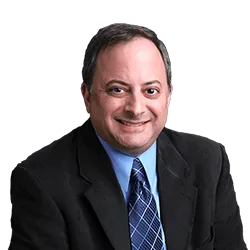
I am Steve Bliss, an Estate Planning Attorney and CPA in San Diego, and for more than 35 years I have built plans that prioritize administrative control and privacy under California Law. Pour-over wills are useful when they are used correctly: they capture “missed” assets and channel them toward the trust, but they do not replace disciplined funding and title hygiene.
A common San Diego scenario is a La Jolla residence, a concentrated brokerage position, and an LLC interest, all paired with a revocable trust that was never fully funded after a refinance and account consolidation. The trust is typically revocable during life under Probate Code § 15400, but successors still need an implementation roadmap. As a CPA, I bring valuation discipline and basis awareness to the integration work so the funding record is defensible and the asset map is accurate when it matters most.
- Inventory the “outside” assets and decide whether they should be retitled, assigned, or left to pass by designation.
- Document the transfers so there is a clear chain of intent and authority.
- Align fiduciary powers and successor access with how assets are actually held in San Diego.

In San Diego County, integration problems show up when real property and financial accounts remain outside the trust and successors discover the plan requires procedural steps to gather and transfer. If a dispute arises or a transfer is challenged, the file quality matters more than the brochure explanation, and interpretation can turn on statutory intent rules like Probate Code § 21102.
- Local reality: property taxes, insurance, and maintenance continue while authority is sorted out.
- Local institutions: align trust ownership with the way San Diego custodians and banks confirm authority.
- Privacy posture: integration reduces the chance that sensitive finances become procedural leverage.
Strategic Insight (San Diego): In Del Mar, a client had a properly drafted pour-over will but left a brokerage account and a refinance-updated deed outside the trust, assuming “the will handles it.” The local nuance is that San Diego carrying costs and time sensitivity make administrative hesitation expensive, and family patience tends to collapse when authority is unclear. The preventative strategy is simple: reconcile title, document the transfers, and keep a clean integration file so successors can act decisively and quietly. Where a court-assisted transfer becomes necessary, a petition pathway may be used under Probate Code § 850.
Why San Diego + California Law changes the outcome
California Law sets the framework, but San Diego realities determine whether the plan feels controlled: high-value real property, ongoing expenses, and concentrated wealth can turn small integration gaps into urgent friction. A pour-over will must still be executed with will formalities under Probate Code § 6110, and missed-asset cleanup may require a court procedure if voluntary cooperation fails.
The practical objective is discretion: keep the trust as the primary operating document so successor authority is recognized without delay and without unnecessary exposure. If assets remain outside the trust, the pour-over can still funnel them toward the trust, but procedures for administering a will and starting a probate case may apply under Probate Code § 8000. This is general information under California Law; specific facts change strategy.
- San Diego County pressure point: carrying costs and property access delays create leverage and conflict risk.
- Neighborhood reality: a Mission Hills or La Jolla property can require prompt decisions about maintenance and insurance.
- Privacy: integration reduces the chance the administration becomes more public than expected.
- Challenge risk: if a transfer is challenged, your documentation discipline becomes the defense.
Fiduciary exposure: where pour-over integration can fail
The fiduciary risk is not the pour-over concept; it is the gap between the trust plan and the real-world asset map. Where assets are outside the trust, successors can face delays, inconsistent authority recognition, and disputes about whether property should be treated as trust property, sometimes requiring judicial determination under Probate Code § 850 and orders issued under Probate Code § 856. Legal Basis: The cleaner the funding and records, the less the fiduciary has to “prove” under pressure.
- Assuming a pour-over will avoids probate for all “outside” assets.
- Leaving San Diego real property titled individually after a refinance or deed change.
- Failing to document assignments of business interests or partnership units into the trust.
- Beneficiary designations that conflict with the trust’s distribution design.
- Original documents and authority evidence stored inconsistently, slowing successor action.
- Multiple amendments creating competing versions of intent, increasing revocation disputes under Probate Code § 6120.
- No practical “integration roadmap” for successors and advisors.
Tax & accounting posture: the CPA discipline behind clean integration
Pour-over planning is often sold as a document solution, but it succeeds as an accounting-quality process: current asset inventory, ownership verification, valuation discipline, and a transfer record that future fiduciaries can rely on. My CPA lens is practical: basis awareness and documentation consistency reduce the risk of forced sales, capital gains surprises, and preventable disputes when San Diego real estate and concentrated investments are involved.
- Inventory discipline: confirm what exists, how it is held, and what it should do at death.
- Valuation support: keep defensible values for concentrated assets and business interests.
- Basis awareness: coordinate distributions with asset characteristics as a risk-control measure.
- Record integrity: successors should inherit a file, not a mystery.
The “Immediate 5”: the questions that determine whether a pour-over will helps or hurts
1) Which assets are still outside the trust, and are they outside by design or by neglect?
I begin with a clean asset map: what is titled to the trust, what passes by beneficiary designation, and what remains individually owned. Under California Law, trust funding is an affirmative act accomplished through recognized methods under Probate Code § 15200, and integration is the discipline that keeps the trust in control. If you want Brian’s problem avoided, the next step is a private reconciliation of title and beneficiary designations with a documented transfer plan.
FAQ Answer (Plain Text): I begin with a clean asset map: what is titled to the trust, what passes by beneficiary designation, and what remains individually owned. Under California Law, trust funding is an affirmative act accomplished through recognized methods under Probate Code § 15200, and integration is the discipline that keeps the trust in control. If you want Brian’s problem avoided, the next step is a private reconciliation of title and beneficiary designations with a documented transfer plan.
2) Is your pour-over will executed and stored in a way that is defensible if a dispute arises?
A pour-over will is still a will, and validity depends on execution formality and document control. California’s baseline execution requirement is Probate Code § 6110, and if the original cannot be located or the signing record is sloppy, the “backstop” can become a new point of conflict. If privacy and control are the goal, we treat execution and storage as a compliance process, not a signing event.
FAQ Answer (Plain Text): A pour-over will is still a will, and validity depends on execution formality and document control. California’s baseline execution requirement is Probate Code § 6110, and if the original cannot be located or the signing record is sloppy, the “backstop” can become a new point of conflict. If privacy and control are the goal, we treat execution and storage as a compliance process, not a signing event.
3) If assets were missed, do you have a clean path to transfer them into the trust without chaos?
When assets are outside the trust, the question is not “can we fix it,” but “how cleanly can we fix it.” In California Law, a court petition can be used to confirm property belongs in the trust under Probate Code § 850, and the court can issue transfer orders under Probate Code § 856 when the facts support it. The controlled approach is to build the evidentiary file now so successors are not forced to improvise later.
FAQ Answer (Plain Text): When assets are outside the trust, the question is not “can we fix it,” but “how cleanly can we fix it.” In California Law, a court petition can be used to confirm property belongs in the trust under Probate Code § 850, and the court can issue transfer orders under Probate Code § 856 when the facts support it. The controlled approach is to build the evidentiary file now so successors are not forced to improvise later.
4) Are you unintentionally creating multiple controlling documents or revocation ambiguity?
Integration fails when documents conflict: trust amendments, will updates, and account designations pulling in different directions. Revocation and competing instruments are governed by Probate Code § 6120, and interpretation disputes can turn on intent rules in Probate Code § 21102. If you want discretion, the strategy is consolidation and clarity so the plan reads as one coherent system.
FAQ Answer (Plain Text): Integration fails when documents conflict: trust amendments, will updates, and account designations pulling in different directions. Revocation and competing instruments are governed by Probate Code § 6120, and interpretation disputes can turn on intent rules in Probate Code § 21102. If you want discretion, the strategy is consolidation and clarity so the plan reads as one coherent system.
5) Does your trust integration match San Diego real property realities and successor authority recognition?
In San Diego County, the stress test is real property and authority recognition: successors need to prove control quickly enough to handle maintenance, insurance, and decisions without turning the estate into a negotiation. If assets remain outside the trust, probate procedure to administer a will may be required under Probate Code § 8000, even if the ultimate destination is the trust. The right next step is a discreet integration review that aligns title, authority evidence, and successor logistics so the trust plan stays in control.
FAQ Answer (Plain Text): In San Diego County, the stress test is real property and authority recognition: successors need to prove control quickly enough to handle maintenance, insurance, and decisions without turning the estate into a negotiation. If assets remain outside the trust, probate procedure to administer a will may be required under Probate Code § 8000, even if the ultimate destination is the trust. The right next step is a discreet integration review that aligns title, authority evidence, and successor logistics so the trust plan stays in control.

A pour-over will is valuable when it functions as planned: it catches what was missed and funnels it toward the trust. The controlled outcome depends on whether the trust was funded, whether records are clean, and whether successors can prove authority without delay.
- Governance: align trust powers with how assets are actually held.
- Documentation discipline: keep transfers and authority evidence in one coherent file.
- Privacy: reduce procedural exposure by integrating before a crisis.
Procedural realities: what changes when a missed-asset transfer is questioned
A) Evidence & Documentation Discipline
The outcome is evidence-driven: what the trust says, what the will says, how title was held, and what the transfer record proves. When a court-assisted transfer is needed, a petition is commonly brought under Probate Code § 850, and an order compelling transfer may be issued under Probate Code § 856.
- Transfer documents vs actual control/ownership
- Valuation support vs later audit/challenge risk
- Timeline consistency for planning vs creditor/liability exposure
- Tie to California compliance and defensibility
B) Negotiation vs Transaction-Challenge Reality
Once a transfer is challenged, the conversation shifts from “what was intended” to “what can be proven” and “what procedure applies.” Probate commencement and will administration procedure may apply under Probate Code § 8000, and disputes about meaning are often framed through intent rules under Probate Code § 21102.
- What changes once a transaction is challenged
- Documentation, timing, valuation, compliance posture
- Procedural reality only
C) Complex Scenarios (HNW Micro-Specialization)
Digital assets and cryptocurrency access planning is where trust integration becomes operational; where this becomes relevant is when successors must access accounts, keys, or electronic records and authority language must match California’s fiduciary access framework in Probate Code (RUFADAA). No-contest clause boundaries also matter in integrated plans; where this becomes relevant is when disputes escalate and enforceability is governed beginning at Probate Code § 21311.
Community property and spousal rights change assumptions in San Diego planning and disputes; where this becomes relevant is when a trust integration plan assumes separate property without verification and a spouse later challenges characterization under Family Code § 760. The disciplined strategy is to align title history, characterization documentation, and the integration roadmap so successors do not inherit a fight.
Lived Experiences
Rebecca V.
“We thought our pour-over will meant everything was already handled. Steve found the gaps, fixed the integration, and gave us a clean process and a private file we can trust. The result was control and a lot less anxiety.”
Kevin K.
“We had multiple accounts and property changes over the years, and our documents were starting to conflict. Steve consolidated the plan, aligned titles, and gave our successors a roadmap. It felt discreet and orderly, exactly what we wanted.”
California Statutory Framework & Legal Authority
|
Attorney Advertising, Legal Disclosure & Authorship
ATTORNEY ADVERTISING.
This content is provided for general informational and educational purposes only and does not constitute legal, financial, or tax advice.
Under the California Rules of Professional Conduct and State Bar advertising regulations, this material may be considered attorney advertising.
Reading this content does not create an attorney-client relationship or any professional advisory relationship.
Laws vary by jurisdiction and are subject to change, including recent 2026 developments under California’s AB 2016 and evolving federal estate and reporting requirements.
You should consult a qualified attorney or advisor regarding your specific circumstances before taking action.
Responsible Attorney:
Steven F. Bliss, California Attorney (Bar No. 147856).
Local Office:
San Diego Probate Law3914 Murphy Canyon Rd San Diego, CA 92123 (858) 278-2800
San Diego Probate Law is a practice location and trade name used by Steven F. Bliss, Esq., a California-licensed attorney.
About the Author & Legal Review Process
This article was researched and drafted by the Legal Editorial Team of the Law Firm of Steven F. Bliss, Esq.,
a collective of attorneys, legal writers, and paralegals dedicated to translating complex legal concepts into clear, accurate guidance.
Legal Review:
This content was reviewed and approved by Steven F. Bliss, a California-licensed attorney (Bar No. 147856).
Mr. Bliss concentrates his practice in estate planning and estate administration, advising clients on proactive planning strategies and representing fiduciaries in probate and trust administration proceedings when formal court involvement becomes necessary.
With more than 35 years of experience in California estate planning and estate administration,
Mr. Bliss focuses on structuring enforceable estate plans, guiding fiduciaries through court-supervised proceedings,
resolving creditor and notice issues, and coordinating asset management to support compliant, timely distributions and reduce fiduciary risk.
|